Why Families Worry About Funeral Options After Donation
Texas Whole Body Donation is often chosen by individuals who want to leave a lasting legacy in medical education and research—but many families worry they must give up traditional funeral services in the process. This concern can create hesitation, especially for loved ones who value closure, rituals, and remembrance. The idea of not having a viewing or memorial can feel unsettling and even overwhelming. Fortunately, the reality is more flexible than most people assume. Families can still honor their loved one in meaningful ways while supporting science. Understanding how whole body donation works in Texas helps ease concerns and ensures families can plan both a respectful tribute and a generous contribution.
How Whole Body Donation Works in Texas
Whole body donation, sometimes called donating your body to science, allows individuals to contribute to medical education, training, and research after death. In Texas, this process is governed by the Texas Anatomical Gift Act, which outlines how anatomical gifts can be made and accepted.
A willed body program typically involves:
- Pre-registration by the donor before death
- Consent documentation signed by the donor or next of kin
- Coordination with a donation organization at the time of passing
- Transportation of the body to a medical facility or research institution
Programs may be affiliated with universities, private organizations, or research facilities. Once accepted, the body is used for scientific purposes such as surgical training, anatomical studies, or disease research.
Legal Considerations in Texas
Texas law requires clear consent for anatomical donation. This can be established through:
- A donor registry
- A written document (such as a will or advance directive)
- Authorization from next of kin
It’s important to note that once a valid donation is accepted, it generally takes precedence over traditional burial plans unless the donation cannot be completed.
Can You Still Have a Funeral After Donating a Body?
The short answer is yes—but the type of funeral may differ from traditional services.
Families often assume that whole body donation eliminates all funeral options. In reality, there are several ways to honor a loved one, even without the physical presence of the body.
Memorial Services Without the Body
A memorial service is the most common option after donation. This type of service can include:
- Religious or cultural ceremonies
- Eulogies and speeches
- Music, readings, and personal tributes
- Photo or video displays
Because the body is not present, the service can be scheduled at a time that works best for the family, even weeks or months later.
Delayed Cremation and Return of Ashes
Many whole body donation programs in Texas include cremation after the research process is complete. Once cremation is finished:
- Ashes are returned to the family (if requested)
- Families can hold a traditional memorial or celebration of life
- Burial or scattering can take place
This option allows families to combine scientific contribution with a more traditional form of closure.
What About Traditional Funerals with Viewing?
A traditional funeral with a viewing or open casket is generally not possible after whole body donation. This is because:
- The body is transported soon after death
- Preservation methods differ from embalming
- The body is used for educational or research purposes
However, families can still create meaningful alternatives.
Alternatives to Open-Casket Services
Consider these options:
- Closed-casket ceremonies before donation (if timing allows)
- Symbolic displays such as framed photos or personal items
- Virtual memorials for distant family members
- Tribute videos or memory tables
These alternatives often provide just as much emotional comfort as traditional services.
Read Texas Whole Body Donation: How Soon Does a Body Need to Be Donated After Death?
Timing Considerations Families Should Know
Timing plays a crucial role in planning both donation and memorial services.
Immediate Transportation Requirements
Most donation programs require the body to be transported within a specific timeframe—often within 24 to 48 hours after death. This limits the ability to hold a traditional viewing beforehand.
Flexible Memorial Scheduling
Unlike funerals tied to burial timelines, memorial services after donation can be held:
- Days or weeks later
- After ashes are returned
- On meaningful anniversaries
This flexibility allows families to plan more personalized and thoughtful tributes.
Costs and Financial Benefits of Donation
One reason many families consider whole body donation is the potential cost savings.
What Is Typically Covered
Many programs cover:
- Transportation within a service area
- Cremation after use
- Filing of death certificates
What Families May Still Pay For
- Memorial service expenses
- Urns or keepsakes
- Travel arrangements for family members
While donation does not eliminate all costs, it can significantly reduce the financial burden associated with traditional burial.
Emotional Considerations for Families
Choosing to donate a loved one’s body is not just a logistical decision—it’s an emotional one.
Finding Meaning in Donation
Many families find comfort in knowing their loved one contributed to:
- Training future doctors
- Advancing medical research
- Improving surgical techniques
This sense of purpose can help ease grief and provide a lasting legacy.
Addressing Family Concerns
It’s common for family members to feel uncertain about whole body donation. Open communication is essential:
- Discuss wishes in advance
- Explain the benefits and process
- Reassure loved ones about memorial options
When everyone understands the decision, it becomes easier to honor both the donor’s wishes and the family’s needs.
Religious and Cultural Perspectives
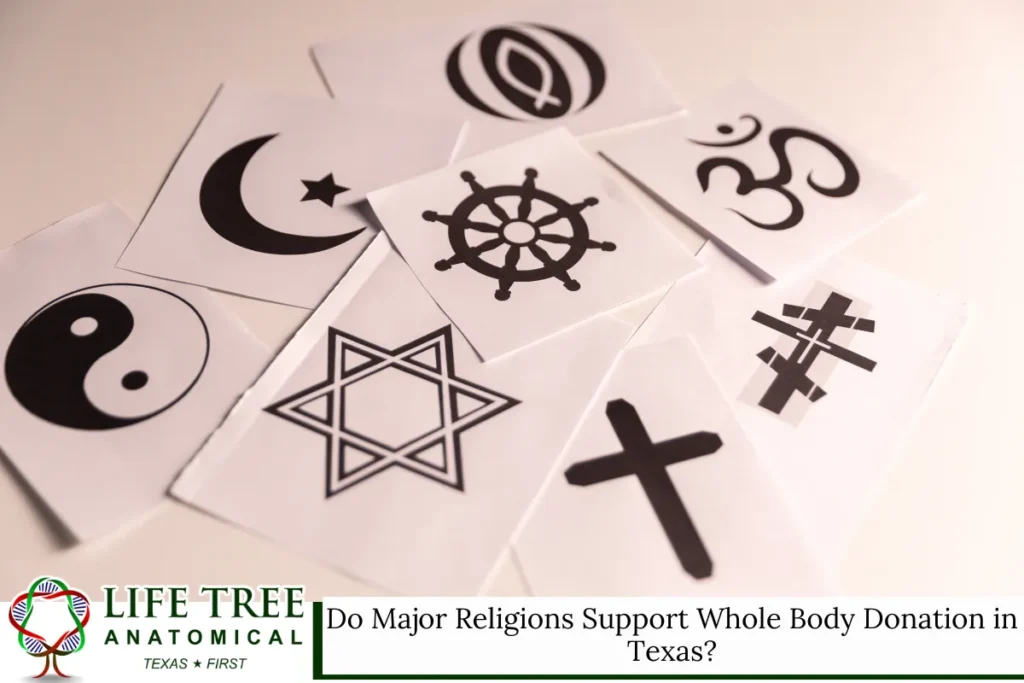
Different religions and cultures have varying views on donating your body to science.
Common Religious Views
- Many Christian denominations support donation as an act of charity
- Judaism and Islam may have specific guidelines regarding timing and handling of the body
- Other traditions may emphasize respect and dignity in the process
Families should consult religious leaders if they have concerns about compatibility with their beliefs.
Choosing the Right Willed Body Program in Texas
Not all donation programs operate the same way. It’s important to evaluate options carefully.
Key Factors to Consider
- Accreditation and compliance with Texas laws
- Transparency about how the body will be used
- Whether cremated remains are returned
- Coverage of transportation costs
- Communication with families throughout the process
Questions to Ask Before Enrolling
- What happens if the body is not accepted at the time of death?
- How long will the research process take?
- Will the family receive updates?
- Are there any hidden fees?
Asking these questions helps families make informed decisions.
Planning Ahead Makes All the Difference
Pre-planning is one of the most important steps in ensuring a smooth donation process.
Benefits of Early Registration
- Guarantees your wishes are documented
- Reduces stress on family members
- Allows time to explore memorial options
- Ensures compliance with legal requirements
Steps to Get Started
- Research donation programs in Texas
- Complete registration forms
- Inform family members of your decision
- Keep documents accessible
Taking these steps early can prevent confusion and ensure your wishes are carried out.
Honoring a Life While Giving Back to Science
Choosing whole body donation does not mean giving up the opportunity to celebrate a life well lived. Families in Texas can still hold meaningful services, gather loved ones, and create lasting memories. While traditional funerals with a viewing may not always be possible, memorial services, delayed celebrations, and the return of ashes provide meaningful alternatives. With proper planning and understanding, families can find comfort in both honoring their loved one and contributing to the advancement of medicine.
Texas Whole Body Donation – Life Tree Anatomical
When families consider whole body donation, they need a provider they can trust to guide them every step of the way. At Life Tree Anatomical, we proudly serve families across Texas with compassionate, professional support. We make the process simple, respectful, and transparent—ensuring your loved one’s wishes are honored while helping advance medical science.
We assist with transportation, documentation, and coordination, so families can focus on what matters most. Our team is available to answer questions and provide clarity about memorial options after donation. If you’re considering whole body donation, call us today at (512) 402-8533 or fill out our contact form. We’re here to help you make a meaningful, informed decision.
Frequently Asked Questions
Can a family refuse a donation after the person has registered?
In Texas, a valid anatomical gift made by the donor generally takes legal priority. However, in practice, some programs may still consider family concerns, especially if there are strong objections. It depends on the organization’s policies and the situation at the time of death. If a donor’s wishes are clearly documented, they are more likely to be honored. Families should have open discussions beforehand to avoid conflicts. Clear communication ensures that everyone understands the donor’s intentions and reduces the likelihood of disputes during an already emotional time.
What happens if the body is not accepted for donation?
Not all bodies are accepted into a willed body program. Factors such as infectious diseases, severe trauma, or time delays may lead to rejection. If this happens, the family becomes responsible for making alternative arrangements, such as burial or cremation. Many donation organizations recommend having a backup plan in place. This ensures that families are not caught off guard and can proceed quickly with other arrangements if necessary. Planning ahead provides peace of mind and prevents last-minute stress.
How long does the donation process usually take?
The timeline for whole body donation varies depending on the program and the intended use. In many cases, the process can take several weeks to a few months, though some research studies may require longer periods. After the program is complete, the body is typically cremated, and the ashes are returned to the family if requested. Families should ask for an estimated timeframe when registering. Understanding this timeline helps set expectations and allows families to plan memorial services accordingly.
Are death certificates still issued after donation?
Yes, death certificates are still issued in Texas even when a person participates in whole body donation. The donation organization or affiliated institution typically assists with filing the necessary paperwork. Families can request certified copies for legal and administrative purposes, such as handling estates or insurance claims. It’s important to confirm how many copies will be provided and whether additional copies can be obtained. This ensures families have the documentation they need during the post-death process.
Can organs still be donated if someone chooses whole body donation?
In most cases, organ donation and whole body donation cannot occur simultaneously. Organ donation for transplantation usually takes priority because it must happen immediately after death. If major organs are removed, the body may no longer meet the criteria for whole body donation programs. However, some tissue donations may still be compatible depending on the situation. Individuals interested in both options should discuss this with their chosen program to understand how their wishes can be coordinated.
Important Note for Readers: This article provides general information about Texas whole body donation and related practices. Laws and program policies may change. Always consult a qualified provider or legal professional to confirm current requirements and ensure your plans meet Texas regulations.
Read Donate Body to Science in Texas: Do You Need Next of Kin Approval for Body Donation?