Why This Decision Raises So Many Questions
Texas Donate Body to Science is often searched by families and individuals who want their final act to matter, yet uncertainty can stop them from moving forward. Many people worry their donation won’t truly help medical progress or fear their body will not be treated with dignity. These concerns grow when clear information is hard to find, leading to hesitation during an already emotional time. The reality is far more reassuring. Scientists and medical educators rely on donated bodies to study diseases, improve treatments, and train healthcare professionals. When you understand how whole body donation works in Texas, what a willed body program actually does, and how donations are regulated, the choice becomes clearer and more empowering.
How Donated Bodies Advance Medical Science in Texas
Medical research depends on real human anatomy. While technology has advanced, donated human bodies remain irreplaceable for studying how diseases affect organs, tissues, and systems over time. In Texas, donated bodies are used under strict ethical and legal guidelines to ensure respect and scientific value.
Researchers examine donated remains to better understand conditions such as cancer, heart disease, neurological disorders, orthopedic injuries, and age-related degeneration. This research helps refine surgical techniques, test medical devices, and validate diagnostic tools. Without body donation programs, many medical breakthroughs would slow or stop entirely.
Whole body donation supports:
- Hands-on medical and surgical training
- Disease progression studies
- Development of new treatment methods
- Safety testing for medical procedures
Each donation contributes to knowledge that benefits current and future patients across the state and beyond.
The Role of Whole Body Donation in Disease Research
Whole body donation allows scientists to study the body as an interconnected system rather than isolated parts. This approach is essential when researching complex diseases that affect multiple organs or bodily functions.
For example, studying how diabetes impacts the heart, kidneys, nerves, and blood vessels requires access to an intact human body. Similarly, neurodegenerative diseases demand careful examination of the brain, spinal cord, and muscular system together.
In Texas, whole body donation programs prioritize educational and research-based use. Donations may support:
- Medical school anatomy education
- Advanced surgical training labs
- Long-term disease studies
- Anatomical research projects
These uses are designed to maximize scientific benefit while honoring donor intent.
How a Willed Body Program Works in Texas
A willed body program allows individuals to legally donate their body after death for medical education or research. In Texas, these programs operate under state law and must follow health and safety regulations.
Enrollment typically happens before death, though some programs accept next-of-kin authorization if prior consent was not given. Once accepted, the program coordinates transportation, documentation, and placement with approved research or educational facilities.
Key features of a willed body program include:
- Written consent from the donor or legal representative
- Medical screening to determine eligibility
- Clear explanation of how the donation may be used
- Eventual cremation or return of remains, depending on program terms
This structure ensures transparency and ethical handling throughout the process.
Are Donated Bodies Used Specifically to Study Diseases?
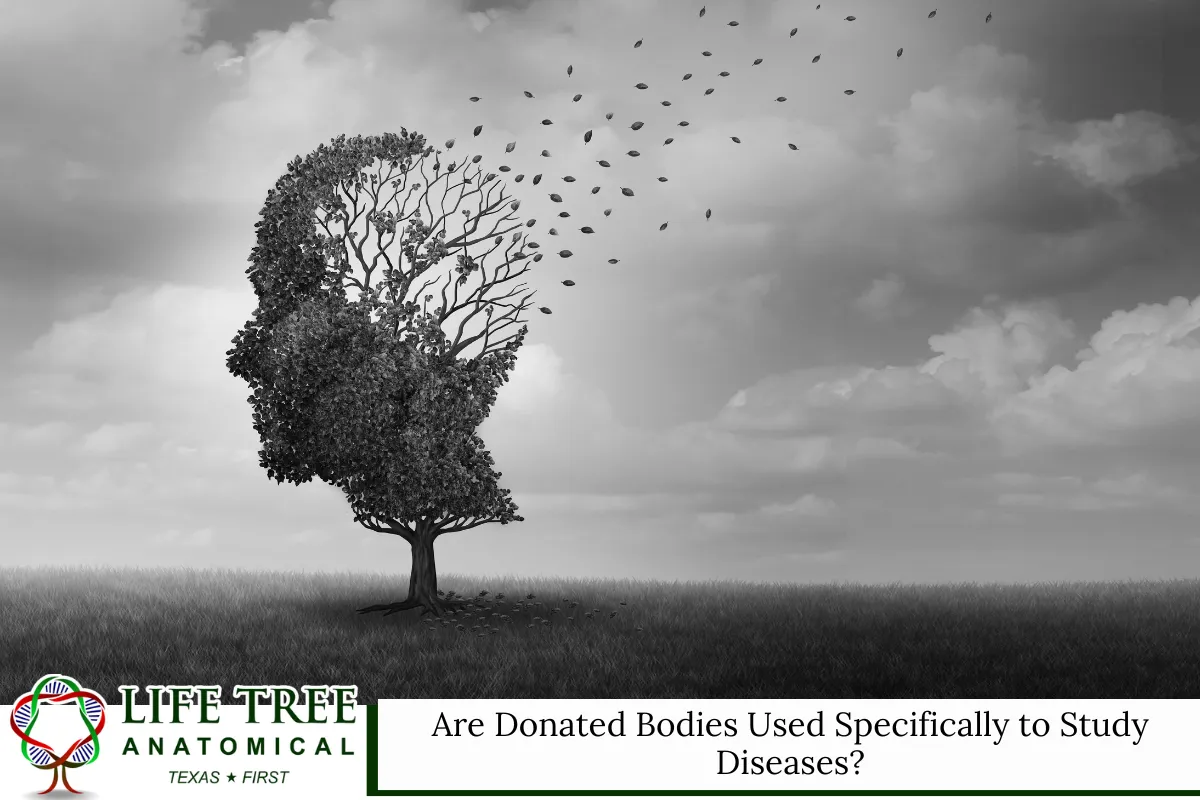
Yes, donated bodies are frequently used to study diseases, but always within defined ethical boundaries. Scientists do not experiment recklessly or without purpose. Each study must meet academic, medical, or regulatory standards.
Disease-focused research may involve:
- Examining organs affected by chronic illness
- Studying tumor growth and tissue response
- Understanding trauma-related injuries
- Observing the effects of aging on the human body
These studies help medical professionals recognize disease patterns, improve early diagnosis, and design safer treatments. Donors play a silent yet critical role in advancing healthcare outcomes.
Read Texas Donate Body to Science: Are Donated Bodies Used for Surgical Training?
Ethical Standards and Respectful Handling of Donors
One of the biggest concerns people have when they consider donate body to science is whether their body will be treated with dignity. In Texas, ethical oversight is not optional.
Programs must follow established standards that include:
- Secure facilities with controlled access
- Professional handling by trained staff
- Use limited to approved educational or research purposes
- No public display or unauthorized use
Respect for donors is central to medical education culture. Many institutions hold memorial ceremonies or moments of reflection to honor those who made learning possible.
Legal Requirements Governing Body Donation in Texas
Texas law outlines clear rules for anatomical donation. These laws protect donors, families, and institutions while ensuring public trust.
Key legal points include:
- Donors must give informed consent, often through written documentation
- Next of kin may authorize donation if no prior objection exists
- Donations cannot be bought or sold
- Programs must comply with public health and transportation regulations
These safeguards prevent misuse and ensure donations serve legitimate medical purposes.
What Happens After the Research Is Complete?
After medical study or training is finished, remains are handled according to the agreement made at the time of donation. In most cases, cremation is performed.
Options may include:
- Return of cremated remains to the family
- Scattering in a designated memorial area
- Respectful disposition arranged by the program
Timelines vary depending on the length of study, which can range from several months to a few years. Clear communication helps families understand what to expect.
Common Misunderstandings About Donating a Body to Science
Many myths discourage people from considering this option. Clarifying these misconceptions is essential.
Some common misunderstandings include:
- Belief that bodies are used without consent
- Fear of disrespectful treatment
- Confusion between organ donation and whole body donation
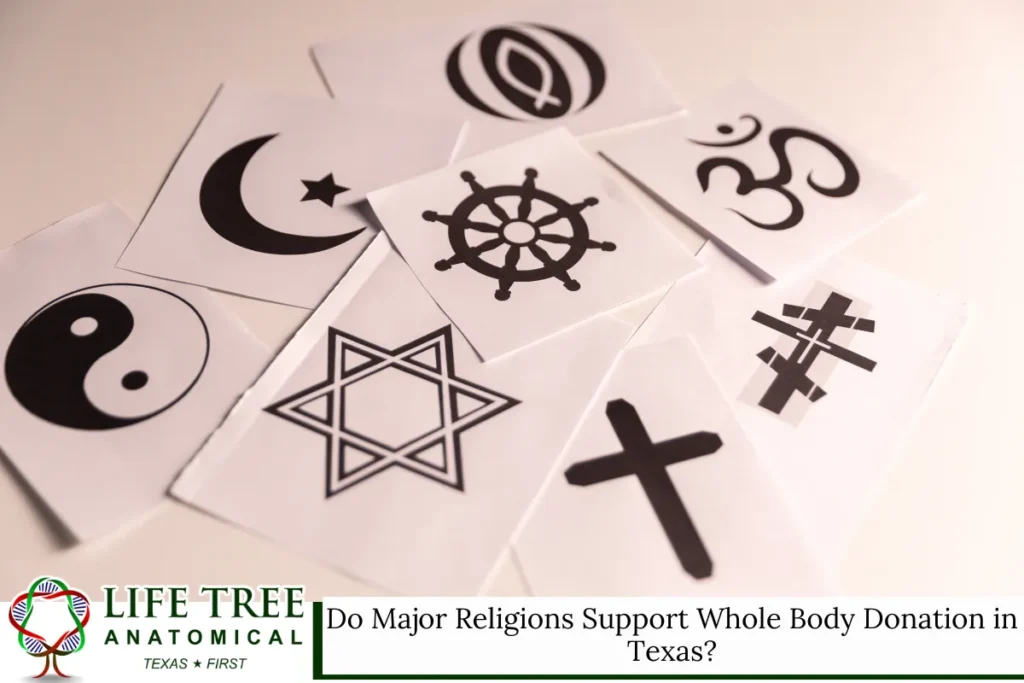
- Assumption that religious beliefs always prohibit donation
In reality, consent is mandatory, ethical rules are strict, and many faith traditions support donation as an act of service.
Who Can and Cannot Donate Their Body in Texas?
Eligibility depends on medical and logistical factors rather than personal background. While many people qualify, some conditions may limit acceptance.
Factors that may affect eligibility:
- Certain infectious diseases
- Severe trauma at time of death
- Extreme obesity or emaciation
- Autopsy requirements
Screening helps ensure safety and research suitability. Programs explain acceptance criteria clearly during the planning process.
Why This Choice Leaves a Lasting Impact
Choosing to donate through a willed body program is a final contribution to science and education. It supports physicians, surgeons, nurses, and researchers who rely on real-world learning to save lives.
In Texas, this choice strengthens medical institutions, advances disease understanding, and benefits communities statewide. For many families, knowing their loved one helped future patients brings comfort and meaning.
Texas Donate Body to Science – Life Tree Anatomical
Life Tree Anatomical supports individuals and families who want to donate body to science with clarity, compassion, and professionalism. Serving all of Texas, our program helps guide donors through whole body donation while ensuring ethical use and legal compliance. We focus on education and research that advances medical knowledge and disease study. From initial questions to final arrangements, our team makes the process straightforward and respectful. If you are considering a willed body program or need immediate assistance, we are available to help. Call (512) 402-8533 or complete our contact form to learn how your donation can make a meaningful difference across Texas.
Frequently Asked Questions
Can families still hold a memorial service after body donation?
Yes, families can hold a memorial service without the body present. Many choose a celebration of life, religious service, or private gathering. Because whole body donation often involves cremation at a later time, families may plan a service soon after death or wait until cremated remains are returned. Donation does not prevent honoring cultural or spiritual traditions. Programs typically encourage families to grieve and remember their loved one in ways that feel meaningful, independent of the donation timeline.
Does donating a body to science cost the family anything?
In most cases, donate body to science programs cover transportation and cremation costs related to the donation. This can significantly reduce funeral expenses for families. However, optional services such as memorial ceremonies, obituary notices, or urn upgrades may involve separate costs if chosen by the family. It is important to review program details in advance so expectations are clear. Transparent programs explain what is included and what is not.
How long are donated bodies used for research or education?
The length of use varies based on the educational or research purpose. Some studies last several months, while advanced training or long-term research projects may take one to three years. Families are usually informed about the estimated timeframe. During this period, the body is stored and used under controlled conditions. Once studies are complete, final arrangements are carried out according to the donor agreement.
Can someone register for both organ donation and whole body donation?
Generally, organ donation and whole body donation are separate decisions. In most cases, whole body donation does not allow for traditional organ transplantation because organs must be recovered immediately under specific conditions. Some programs allow limited tissue recovery before whole body donation, but this depends on medical suitability and timing. Individuals should discuss preferences clearly and document their wishes to avoid confusion.
Is body donation accepted if death occurs at home or in hospice care?
Yes, many body donation programs in Texas accept donors who pass away at home or under hospice care, provided eligibility criteria are met. Prompt notification is essential so transportation can be arranged quickly. Hospice staff are often familiar with the process and can assist families in making the necessary calls. Planning ahead ensures smoother coordination and reduces stress during an emotional time.
Disclaimer: This article is for general informational purposes only and does not constitute legal, medical, or funeral planning advice. Regulations and eligibility for body donation may vary. Always consult directly with a qualified body donation provider to understand current Texas requirements and program terms.
Read Whole Body Donation Texas: Who Pays for Cremation if the Body is Donated?