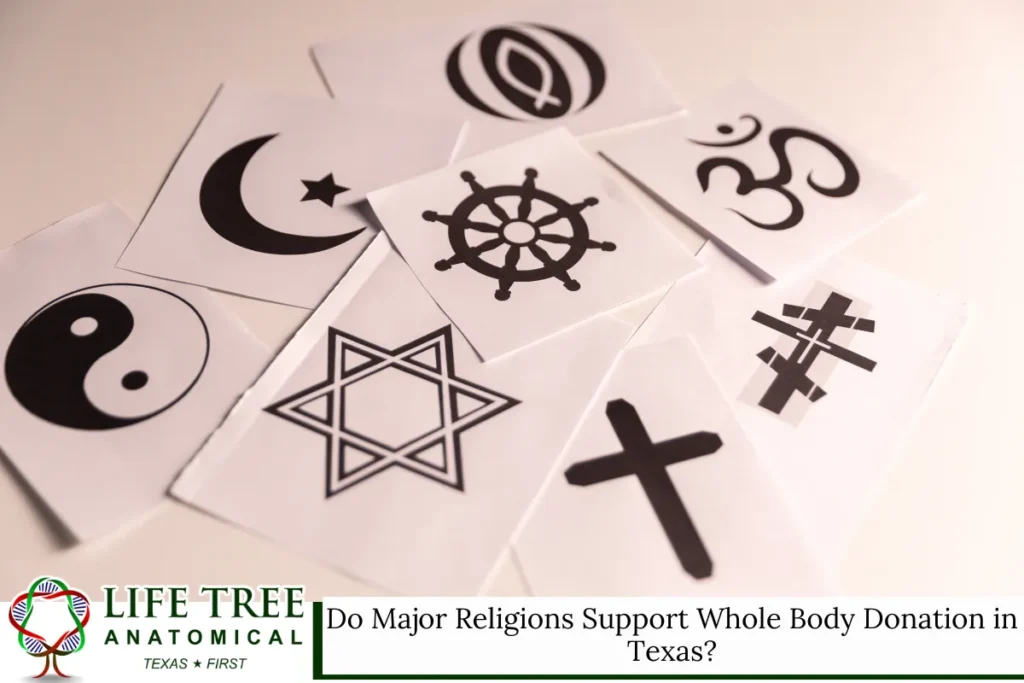
Whole body donation is generally compatible with the teachings of most major religions, but families may still face difficult questions about dignity, funeral traditions, burial timing, and the treatment of human remains. Without clear guidance, those concerns can create anxiety or disagreement at the very moment loved ones need unity. The encouraging answer is that Christianity, Judaism, Islam, Hinduism, Buddhism, Sikhism, and several other faith traditions often recognize medical donation as an act of charity, service, compassion, or generosity when it is voluntary and respectful. Individual denominations, clergy members, and families may interpret religious duties differently, however. Texans considering a willed body program should therefore combine informed spiritual counsel with careful legal and practical planning before deciding to donate body to science.
Faith, Medical Education, and the Meaning of a Final Gift
For many people, decisions about the body after death are inseparable from faith. A person may believe strongly in helping medical students and researchers while also wanting to honor sacred teachings about burial, bodily dignity, resurrection, reincarnation, ritual purification, or the timing of funeral observances.
These priorities do not always conflict. In fact, many religious communities view voluntary donation for legitimate medical education or scientific research as a meaningful extension of values practiced during life. Compassion for future patients, service to society, support for healing, and the sharing of knowledge can all carry spiritual significance.
Still, whole-body donation is different from organ donation.
Organ and tissue donation normally involves recovering specific organs or tissues for transplantation, therapy, or approved medical purposes. A whole-body gift ordinarily transfers the donor’s remains to an authorized medical, educational, forensic, or research organization. The body may be used to teach anatomy, train health care professionals, evaluate surgical procedures, study diseases, improve medical devices, or support other scientific work.
Because these uses differ, a religious statement supporting organ transplantation should not automatically be treated as a universal ruling on donating an entire body. The underlying principles may be similar, but families should ask more specific questions about anatomical study, dissection, cremation, the return of cremated remains, and funeral timing.
What Texas Law Says About Anatomical Gifts
Texas permits adults and other legally authorized individuals to make anatomical gifts under the state’s Revised Uniform Anatomical Gift Act. State law broadly defines an anatomical gift as a donation of all or part of a human body that takes effect after death for transplantation, therapy, research, or education.
A donor may generally document the decision through an authorized donor record, a signed document, a will, or another method recognized by law. The exact enrollment process varies among organizations, so registration with one program should not be assumed to create acceptance by every program in Texas.
Texas law also identifies the people and organizations that may receive anatomical gifts and the purposes for which those gifts may be used. Separate statutory provisions address the distribution and use of donated bodies and anatomical specimens within the state.
Donor Authorization Deserves Careful Attention
A properly documented first-person gift can carry significant legal authority. Even so, donors should discuss their intentions with their closest relatives, health care decision-makers, executor, clergy member, and funeral planning contacts.
A family that learns about the decision only after death may be emotionally unprepared. Relatives may also unknowingly make arrangements that interfere with the program’s procedures, such as embalming the body, authorizing an autopsy that was not medically required, or transporting the deceased to a facility outside the program’s service process.
Clear communication reduces those risks.
A prospective donor should keep copies of enrollment documents in an accessible location rather than placing the only copy in a safe-deposit box. Emergency contacts should know which organization to call immediately after death and whether any identification card, authorization form, medical history, or transportation instructions must be provided.
Registration Does Not Guarantee Acceptance
Enrollment in a willed body program usually reflects a person’s intent, but final acceptance commonly occurs after death. Programs may decline a donation because of:
- Certain communicable or infectious diseases
- Severe trauma or extensive decomposition
- An autopsy or organ recovery that makes the body unsuitable for the intended study
- Significant delays in notification
- Geographic or transportation limitations
- Storage, staffing, or research-capacity constraints
- Body-size limitations
- Other medical or operational criteria
Texas programs openly warn that the condition of the body at death can make a previously registered donor ineligible. Families are therefore encouraged to maintain an alternate funeral or disposition plan.
Christianity Often Frames Donation as Loving Service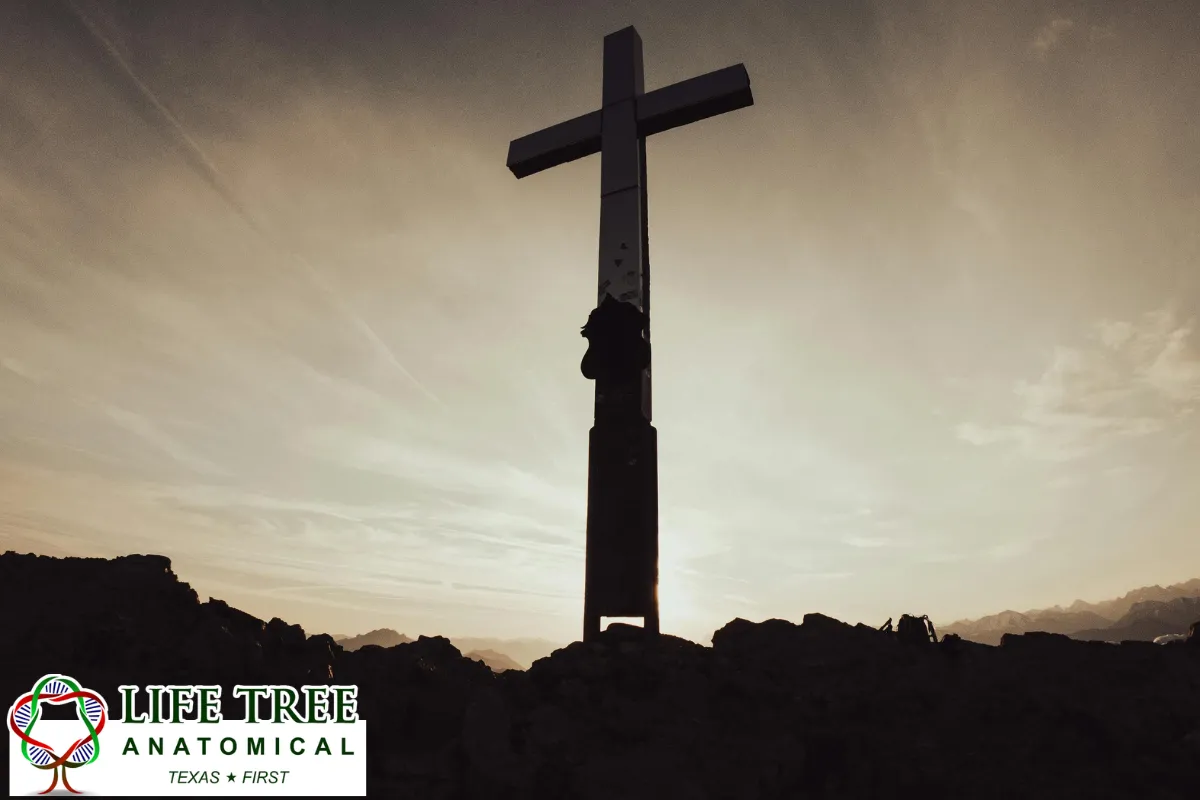
Christianity includes Catholic, Orthodox, Protestant, evangelical, Anglican, Latter-day Saint, and many independent traditions. No single administrative authority speaks for every Christian. Nevertheless, many churches regard medical donation as consistent with love of neighbor, stewardship, mercy, and service.
The central ethical questions usually include consent, respect for the deceased, legitimate scientific purpose, confirmation of death, and avoidance of commercial exploitation.
Catholic Perspectives on Bodily Donation
Catholic teaching strongly supports ethically conducted organ donation after death when valid consent has been given. The Catechism describes posthumous organ donation as noble and meritorious while emphasizing that it is unacceptable without the donor’s consent or authorization from someone legally entitled to speak for the donor.
Whole-body gifts are not identical to transplantation, but many Catholics apply related principles of charity, solidarity, informed consent, and respect for the human person. Donation for genuine medical education may be regarded as morally permissible when the body is handled reverently and the arrangement does not treat human remains as merchandise.
Catholic families may also want to preserve customary practices such as prayers for the dead, a funeral Mass, or a memorial service. Because the physical body may not be available for a traditional viewing or immediate burial, the family should coordinate the religious service with its parish and the donation organization.
Protestant and Evangelical Considerations
Many Protestant denominations leave the decision to the donor and family. Donation may be understood as a final expression of Christian generosity because it supports education, healing, and the relief of suffering.
Some believers initially worry that anatomical study could conflict with resurrection. Most Christian interpretations do not teach that bodily decomposition, cremation, accidental injury, organ recovery, or medical study limits God’s power to resurrect the dead. Nevertheless, a person who has doctrinal concerns should speak with a trusted pastor rather than relying on a generalized internet summary.
Evangelical families may focus less on formal denominational policies and more on individual conscience, biblical principles, and family agreement. Asking how remains will be used and ultimately handled can help the donor make a decision in good faith.
Eastern Orthodox Views May Require Closer Consultation
Eastern Orthodox Christianity places strong emphasis on the sacredness of the human body, traditional funeral rites, and burial. Orthodox communities may be more cautious about cremation and procedures that substantially alter the body.
Views can vary by jurisdiction, bishop, priest, and local custom. An Orthodox Christian considering whole body donation should consult a priest before registering, especially when the program ordinarily cremates remaining anatomical material after study.
The conversation should address whether the proposed use is considered charitable, whether funeral rites may occur without the body present, and whether the program’s final disposition practices are compatible with the donor’s church.
Latter-day Saint Decision-Making
The Church of Jesus Christ of Latter-day Saints describes organ and tissue donation as a selfless act that can provide significant benefits. Its guidance generally treats donation decisions as personal matters to be made with medical counsel and prayerful consideration.
Members exploring an anatomical gift can apply that same careful approach by reviewing program documents, discussing the decision with family, and seeking spiritual guidance.
Jewish Law Balances Saving Life With Respect for the Dead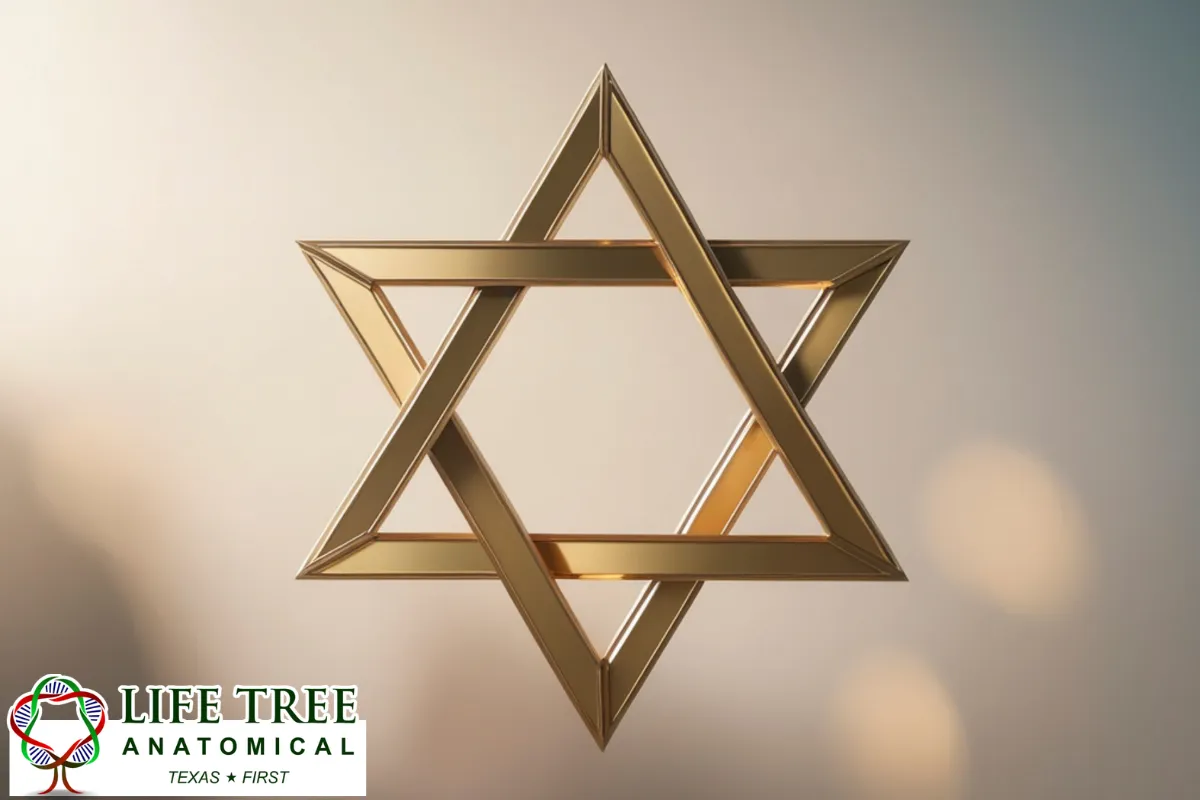
Jewish perspectives on body donation can be complex because several important values may apply at once.
Judaism places great importance on kavod hamet, the dignity and honor owed to the deceased. Traditional practice also favors prompt burial and generally prohibits unnecessary interference with the body. At the same time, pikuach nefesh—the duty to preserve human life—has extraordinary moral weight.
For organ transplantation that may directly save a life, many Jewish authorities are supportive. Donation for education or research can require a more detailed analysis because the benefit may be indirect, delayed, or not connected to an identifiable patient.
Why Jewish Answers Can Differ
Orthodox, Conservative, Reform, Reconstructionist, and other Jewish authorities may reach different conclusions. Even within one movement, rabbis may distinguish between:
- Research expected to help patients with a defined medical condition
- General anatomy instruction
- Surgical training
- Forensic research
- Permanent retention of specimens
- Temporary study followed by cremation
- Temporary study followed by burial
Some authorities may approve a specific donation when its likely contribution to medicine is strong and the body will be treated respectfully. Others may object because of delayed burial, dissection, cremation, or the possibility that all remains will not be returned.
A Jewish donor should ask the program whether cremation is required, whether remains can be buried, how long study may continue, and whether every recoverable portion is handled according to the final disposition agreement.
Read Can Funeral Homes Refuse a Body That Was Meant for Whole Body Donation in Texas?
Islamic Views Depend on Necessity, Dignity, and Scholarly Interpretation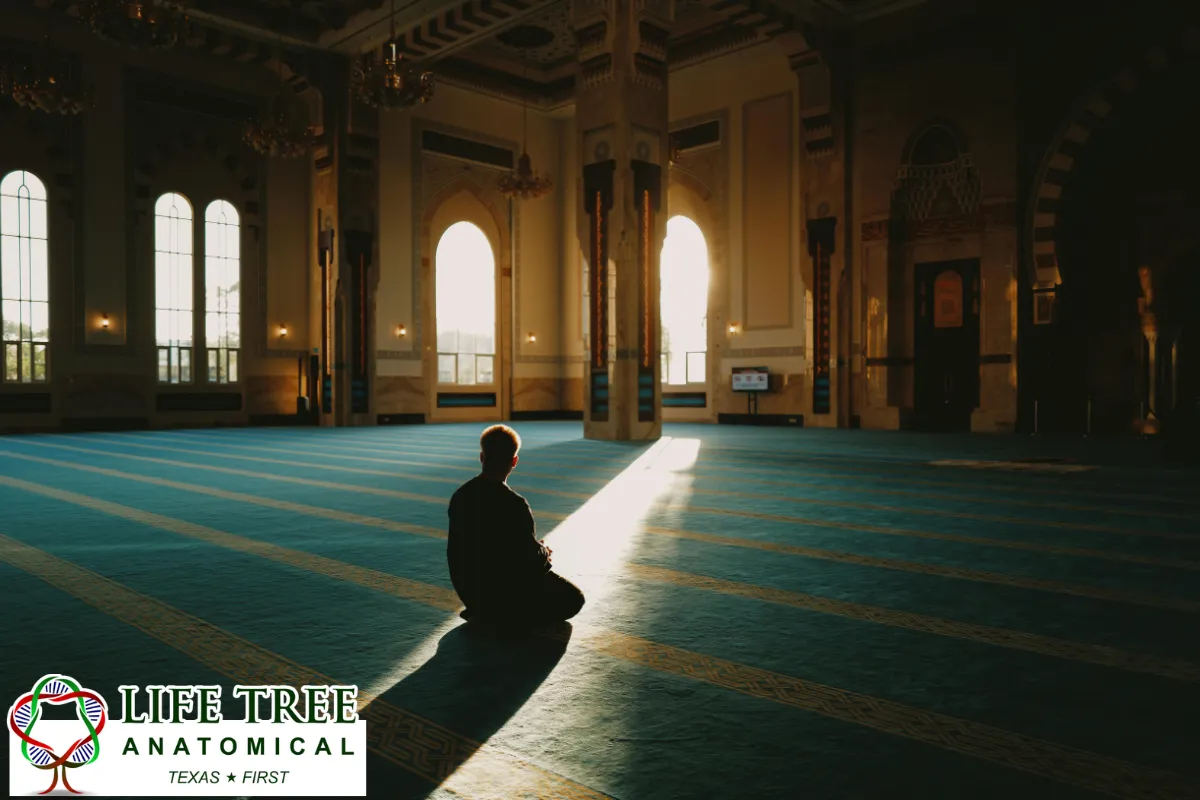
Islam teaches respect for the human body during life and after death. Traditional Islamic practice generally calls for ritual washing, shrouding, funeral prayer, and burial as soon as reasonably possible. Unnecessary mutilation and desecration are prohibited.
At the same time, Islamic jurisprudence gives substantial weight to saving life, relieving suffering, necessity, public welfare, and the pursuit of beneficial knowledge. Many contemporary Muslim scholars permit organ donation under defined conditions. A major North American Islamic jurisprudential body has concluded that organ donation can be morally permissible when safeguards such as valid authorization, confirmation of death, and minimization of harm are satisfied.
Whole-Body Gifts Require a More Specific Ruling
Permission for organ transplantation does not necessarily mean every Muslim scholar approves donating an entire body for general study. Concerns may include:
- Delayed burial
- Dissection beyond medical necessity
- Cremation after research
- Failure to return all recoverable remains
- Commercial transfer of anatomical material
- Research with no clear public benefit
- Lack of first-person consent
Some scholars may consider a narrowly defined medical or educational need sufficient to permit donation. Others may conclude that the ordinary burial obligations should take priority.
Muslim Texans should consult an imam or scholar familiar with Islamic bioethics and the donor’s school of jurisprudence. The adviser should be shown the actual consent form and disposition policy. A general question such as “Does Islam allow donation?” may not provide enough detail for a reliable answer.
Hindu Traditions Commonly Emphasize Detachment and Generosity
Hinduism contains many philosophical schools, regional customs, family traditions, and devotional communities. There is no single authority that determines one answer for all Hindus.
Broadly, many Hindus distinguish the enduring self or soul from the physical body. Beliefs involving karma, reincarnation, seva, charity, and detachment from the temporary body can support donation for the benefit of others.
A gift that helps train physicians or advance scientific knowledge may be viewed as a form of service. The donor’s intention is often important: a voluntary decision made to help others can carry moral value.
Funeral Timing and Cremation Still Matter
Many Hindu families traditionally perform cremation and associated rites soon after death. A whole-body gift may delay those observances or change how they are conducted.
Families should ask a priest how to adapt prayers, memorial rites, and cremation customs when the body is transferred to a scientific institution. Some ceremonies may be performed symbolically or without the physical remains. Later rites may be held when cremated remains are returned, provided the program offers that option.
Because customs vary by region and family lineage, donors should not assume that a general Hindu acceptance automatically settles every ritual question.
Buddhist Ethics Often Favor Compassionate Giving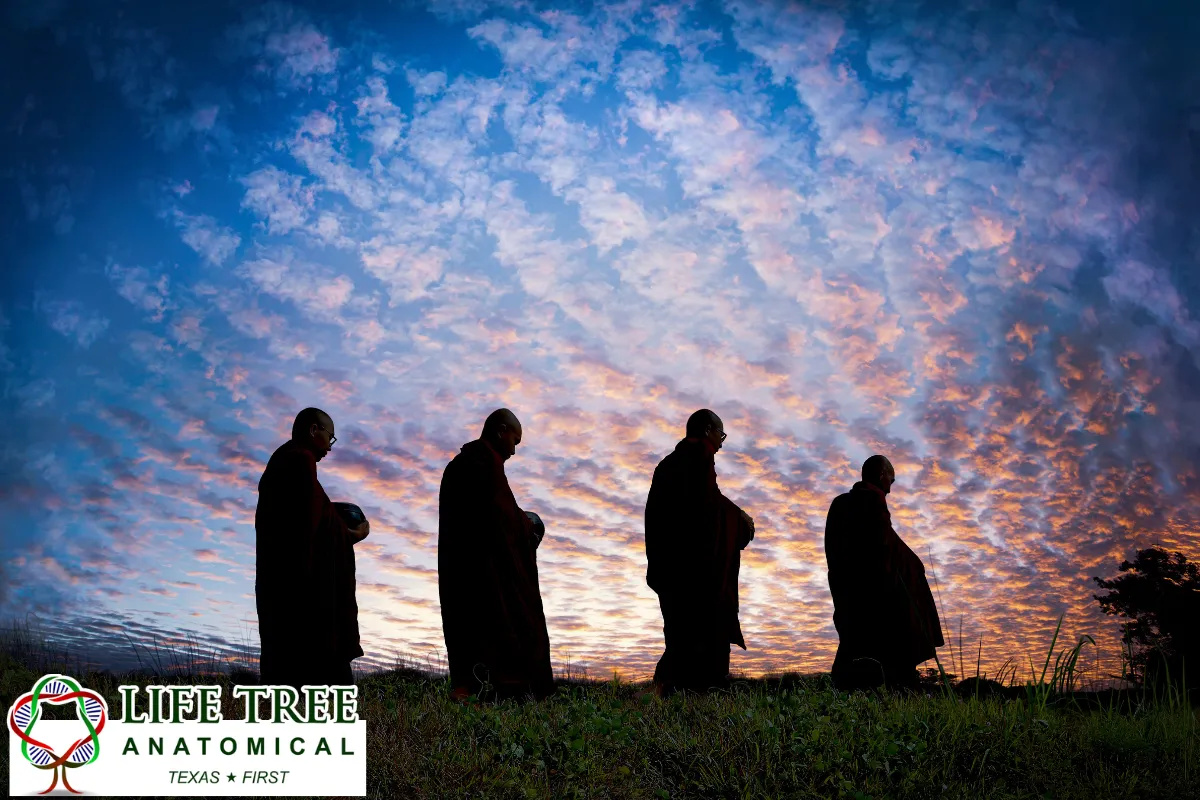
Buddhist perspectives differ among Theravada, Mahayana, Vajrayana, Zen, Pure Land, and other traditions. Many Buddhists may regard donation as an expression of compassion, generosity, and nonattachment.
Helping future physicians learn, supporting research, or reducing the suffering of future patients can align with the cultivation of compassionate action. Some Buddhist communities have also honored donors who contributed their bodies to medical education.
However, practices surrounding the period immediately following death can matter. Certain traditions believe consciousness may pass through an important transitional state, leading families to minimize disturbance of the body for a period after death.
A Buddhist donor should discuss the anticipated timing of transportation with a teacher or monastic adviser. The program may require prompt transfer, which could conflict with a family’s preference to leave the body undisturbed. Advance planning is the best way to identify whether those needs can be reconciled.
Sikhism Generally Supports Service That Benefits Humanity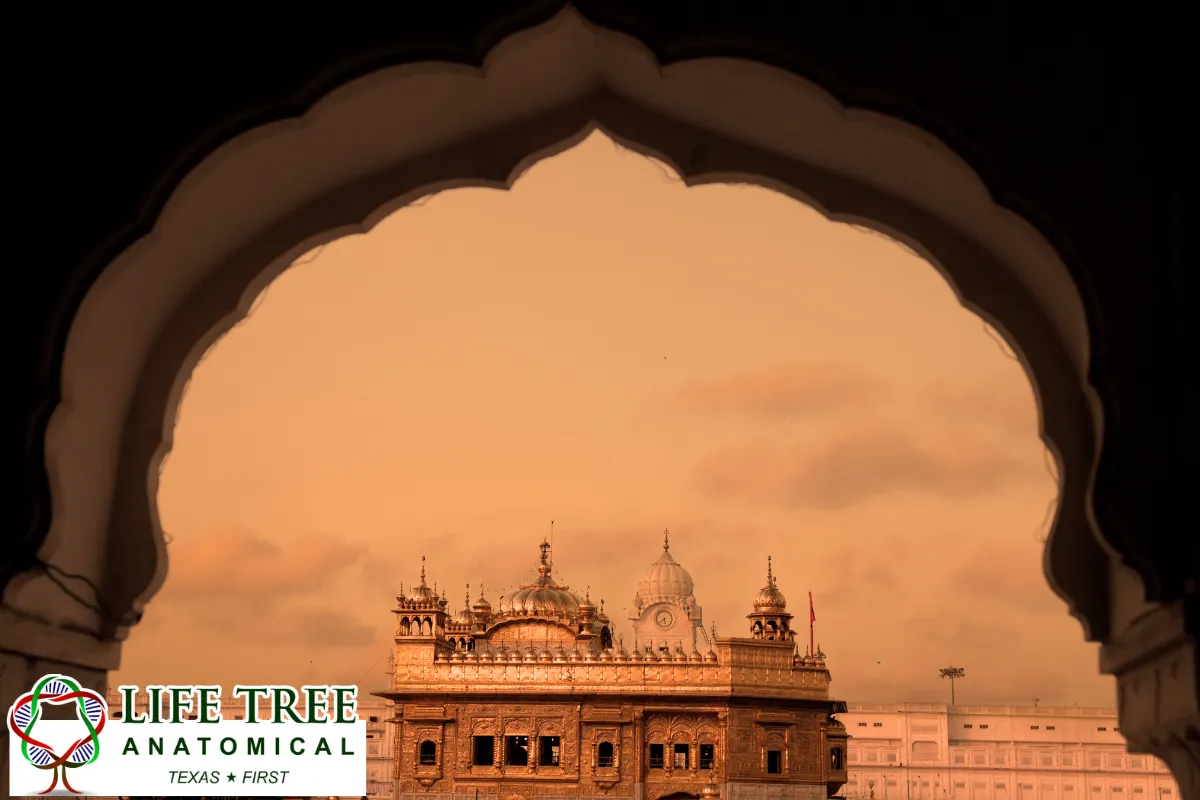
Sikh teachings emphasize seva, equality, compassion, and service to others. The physical body is respected, yet it is not normally viewed as an obstacle to donation when the gift is intended to benefit humanity.
Many Sikh families may therefore consider donating body to science an honorable act of service. Decisions remain personal, and relatives may want to consult a granthi or another knowledgeable community leader.
Funeral prayers and remembrance can often be arranged even when the body is not available. Families should still clarify whether the program’s use, transportation schedule, and final cremation practices fit their expectations.
Other Faith Communities May Apply Their Own Conditions
Several additional religious communities have distinctive teachings that deserve individualized attention.
Jehovah’s Witnesses
Jehovah’s Witnesses generally treat organ donation and transplantation as matters of individual conscience, but their teachings concerning blood can affect medical procedures. Whole-body donation raises different issues from a living transfusion, yet a donor may still want written clarification about how blood, tissue, and anatomical material will be handled.
Christian Science
Christian Scientists often make personal decisions about medical care and post-death arrangements. A member may consider donation compatible with personal conscience, while another may decline. Consultation with family and a church adviser can help clarify the decision.
Bahá’í Faith
The Bahá’í Faith values service, education, and scientific advancement. However, Bahá’í burial laws and the respectful treatment of the body may influence whether a particular program is suitable. Because cremation is generally discouraged in Bahá’í practice, a program that requires cremation after study may present a significant concern.
Indigenous and Traditional Beliefs
Texas is home to people from many Indigenous nations and culturally specific spiritual traditions. Some communities consider bodily integrity, ancestral connection, ceremonial burial, or return to a particular land essential. Others may permit donation based on personal choice.
No broad statement should replace guidance from the donor’s elders, spiritual leaders, and family.
Questions to Ask Before Choosing a Willed Body Program
Religious compatibility depends partly on what the receiving organization actually does. Two programs may have very different policies, even when both accept anatomical gifts.
Before enrolling, request clear answers to the following questions:
- What educational, medical, forensic, or research uses are authorized?
- Can the body or anatomical portions be transferred to other institutions?
- Is the donor’s separate permission required for transfer?
- Could any tissue be retained permanently?
- How is the donor’s identity protected?
- Who arranges transportation after death?
- Are transportation costs covered throughout Texas?
- What circumstances could cause rejection?
- How long may the body remain in study?
- What happens to the remains after the program is complete?
- Is cremation required?
- Can cremated remains be returned to the family?
- Can the family hold a funeral or memorial before final disposition?
- Does the organization provide documentation of final disposition?
- What backup plan should the family follow if the gift cannot be accepted?
Transportation policies deserve particular attention in a state as large as Texas. Some facilities accept donors only from defined service areas or require families to pay transportation costs beyond a specific radius.
Religious Planning Should Be Put in Writing
Verbal instructions can be forgotten or misunderstood during an emergency. A donor should create a written plan that identifies:
- The selected donation organization
- The organization’s emergency telephone number
- The donor registration documents
- The person responsible for making the call
- The donor’s religious adviser
- Preferred prayers, services, or memorial observances
- The backup funeral home or disposition plan
- Instructions for any returned cremated remains
The donor should also explain why the choice was made. A short personal statement can reassure relatives that the decision was thoughtful, voluntary, and consistent with the donor’s values.
For example, a donor might explain that supporting medical education represents a final act of service. That message can be especially meaningful when relatives initially feel uncertain about not having a conventional viewing or burial.
Avoiding Common Conflicts Between Donation and Funeral Plans
Whole-body programs frequently require prompt notification and transportation. Traditional funeral arrangements may therefore need to be modified.
Viewing and Embalming
A public viewing may not be possible if the body must be transferred quickly. Embalming performed outside the receiving program may also affect eligibility. Families wanting a viewing should ask about alternatives, including a private bedside farewell before transfer or a memorial service using photographs.
Autopsy and Medical Examiner Cases
An autopsy may make a donation unsuitable for certain uses, although program policies differ. When a justice of the peace or medical examiner has legal authority over the body, the investigation takes priority over private plans.
The family should notify the donation organization, but no one should obstruct a legally required examination.
Organ and Tissue Donation
Some programs accept donors after limited organ or tissue recovery, while others do not. People wishing to register for both organ donation and a whole-body program should ask how the two systems interact.
Life-saving transplantation may occur first, after which the anatomical organization determines whether the remaining gift can be accepted. A backup plan remains essential.
Traditional Burial
Most whole-body arrangements do not return an intact body for burial. After study, remaining material is commonly cremated, although practices differ.
Anyone whose religion requires burial rather than cremation should obtain a written explanation of final disposition before signing. Assumptions made during enrollment can cause serious distress later.
A Faith-Conscious Decision Begins With Transparency
Major religions generally do not treat medical donation as inherently sinful or forbidden. Christianity often emphasizes charity and love of neighbor. Jewish law weighs respect for the dead against the possibility of preserving life. Islamic scholars examine necessity, consent, dignity, and burial obligations. Hindu, Buddhist, and Sikh traditions frequently recognize service, generosity, compassion, or nonattachment as reasons to support donation.
Yet no summary can speak for every believer.
The most responsible approach is to review the actual program—not merely the general concept—with a qualified religious adviser. Families should know whether anatomical portions may be separated, transferred, retained, cremated, or returned. They should also understand transportation requirements, acceptance limitations, and the expected timeline.
When spiritual values, legal authorization, and practical arrangements are addressed together, whole body donation can become a deeply intentional final gift rather than a source of uncertainty.
Texas Whole Body Donation – Life Tree Anatomical
At Life Tree Anatomical, we help individuals and families explore whole body donation with clarity, respect, and compassion. We understand that faith, family traditions, medical education, and final wishes may all influence this personal decision. Our team serves communities throughout Texas and explains the donation process, eligibility considerations, transportation arrangements, required documentation, and what families can expect after death. We encourage every prospective donor to discuss the choice with loved ones and trusted religious advisers before completing registration. When questions arise, we provide straightforward information so families can make informed plans without unnecessary confusion. Call Life Tree Anatomical at (512) 402-8533 or fill out our contact form to learn how our statewide program may support your final wishes.
Frequently Asked Questions
Can a family hold a memorial service before a donated body is cremated?
Yes. A memorial service can usually be held without the donor’s physical remains, and families may schedule it shortly after death or at a later date. The service can include prayers, readings, music, photographs, eulogies, and other traditions important to the donor’s faith. Some families hold a second gathering after cremated remains are returned. Because a receiving organization may need to transport the body promptly, a traditional visitation or open-casket funeral may not be possible. Families should discuss the proposed ceremony with both the donation coordinator and their religious leader so spiritual observances can be adapted without delaying required arrangements.
Does whole-body donation prevent a religious funeral?
Donation does not usually prevent a religious funeral, but it may change the ceremony’s format. Clergy can often conduct funeral prayers, a Mass, a celebration of life, a synagogue memorial, an Islamic community gathering, or another faith-based service without the body present. Whether a particular ceremony is appropriate depends on the religion, denomination, local congregation, and family tradition. Some communities require specific rites involving the physical body, creating a possible conflict with prompt transportation. Donors should discuss this issue before enrollment and leave written instructions. Advance planning gives religious leaders time to recommend respectful alternatives that preserve the meaning of the observance.
Can someone withdraw from a willed body program after registering?
A competent donor can generally revoke or amend an anatomical gift using a method recognized by applicable law and the receiving program. The donor should contact the organization directly, request written confirmation, destroy outdated identification cards, and replace any copies of the previous authorization held by relatives or advisers. Family members, executors, health care agents, and funeral contacts should be told about the change. Simply telling one person may not reliably update every record. Because revocation requirements can depend on how the original gift was documented, donors should follow the organization’s written procedure and seek legal advice when estate-planning documents contain conflicting instructions.
Are donors identified to medical students or researchers?
Privacy practices vary. Many educational programs protect the donor’s identity and provide students or researchers only with information relevant to the study, such as age, medical history, or cause of death. Other programs may allow limited identification for memorial activities or acknowledgments when the donor gave permission. Prospective donors should review the consent and privacy documents carefully. They should ask who may access personal information, whether photographs are permitted, how electronic records are secured, and whether research findings are returned to the family. Federal and state privacy principles may apply differently after death, making the organization’s written policy especially important.
Can donated remains be transported across state lines?
An anatomical organization may sometimes transfer a body or anatomical material to an approved facility outside Texas for education, training, or research, but authority depends on the donor agreement, applicable law, and the organization’s policies. Donors who object to out-of-state use should ask whether they may restrict transportation or secondary placement. The consent form should also explain who receives the material, how it is tracked, and how final disposition occurs. Because transfer can affect religious concerns about location, custody, timing, and return of remains, prospective donors should request written answers rather than relying solely on a telephone conversation.
Disclaimer: This article provides general educational information, not legal or religious advice. Texas requirements and program policies may change. Consult an attorney, qualified faith leader, and chosen donation organization before making final arrangements.
Read What Happens If Family Disagrees on Whole Body Donation in Texas?